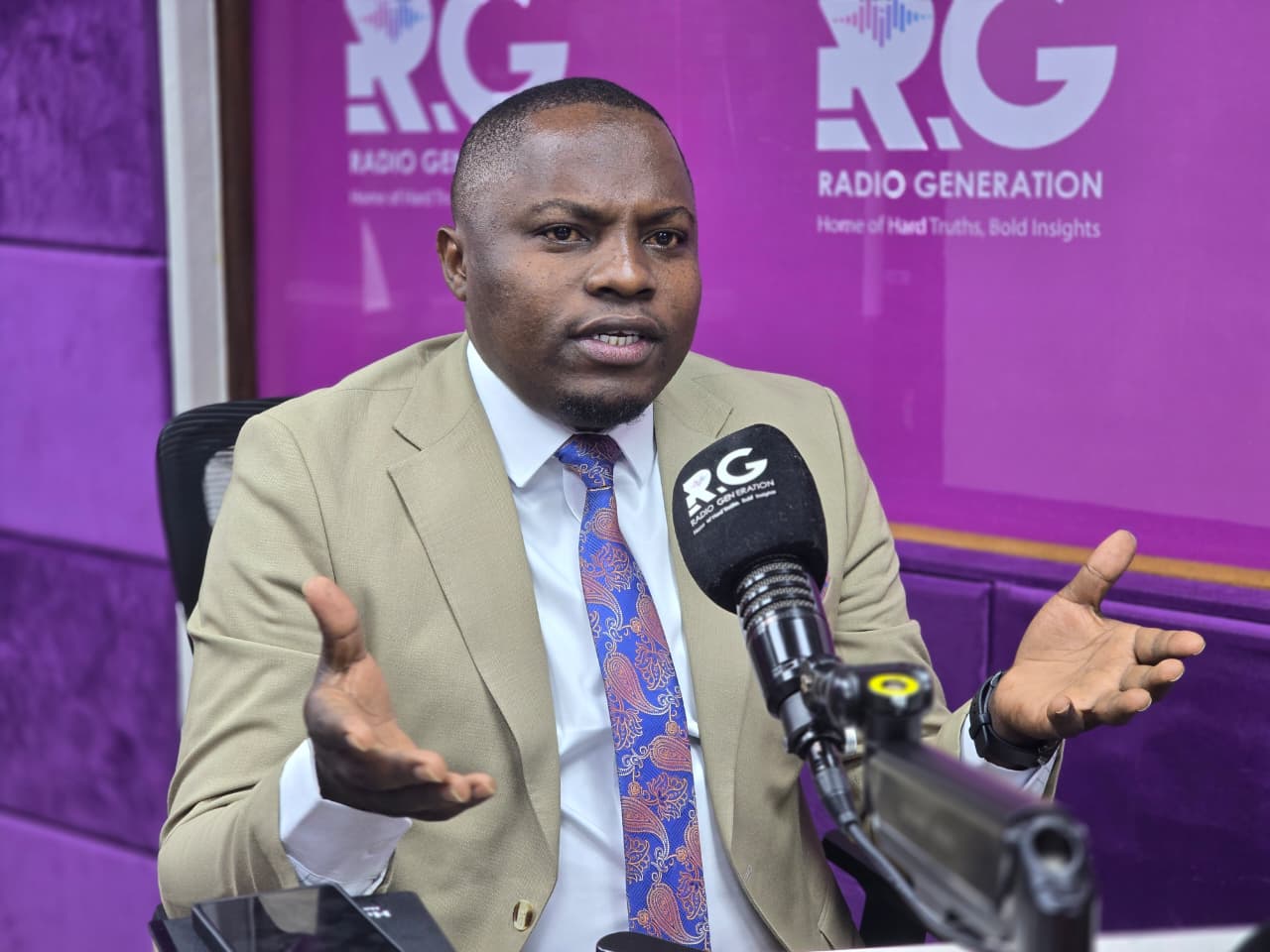
Kenya’s health system faces preventable challenges that are putting lives at risk, according to Brown Ashira Olaly, Secretary General and CEO of the Kenya Environmental Health and Public Health Practitioners Union (KEH&PHPU).
Speaking in an interview with Radio Generation, Ashira emphasized that public health, often described as preventative medicine, is critical for protecting populations, preventing disease, and ensuring longer, healthier lives.
“Public health entails a whole discipline. We call it preventative medicine. We deal with the prevention of diseases, protecting lives and prolonging—I mean protecting the population and prolonging lives,” Ashira said on Thursday, highlighting the broad role of public health officers beyond treating illnesses.
He explained that the definition of health goes beyond simply being free from disease, borrowing from the World Health Organization: a state of complete physical, mental, and social well-being.
Ashira stressed that strong nations and productive communities are built on robust public health systems.
“If you go to the Singapores, you go to the Canadas, you go to the USA of this world, they invest more in public health interventions so that we don't need, necessarily, to have a projection of a sick country. We need to have a projection of a healthy nation. People were actually very productive, because people who are sick, they're never productive,” he explained.
According to Ashira, investing in public health reduces pressure on hospitals, decreases absenteeism in schools, and improves overall productivity. “Benjamin Franklin once said, ‘An ounce invested in public health is worth a pound of cure,’ and that is very true,” he added.
He noted that up to 70 percent of infections reported in health facilities in Kenya are preventable. These include communicable diseases caused by bacteria, fungi, poor sanitation, and lack of clean water. Public health officers play a key role in controlling these risks and ensuring community safety.
Ashira also raised concerns over emerging health threats, including a rise in malaria cases and an increase in HIV infections among teenagers.
“Most people are not using condoms, for example, and we are practicing unsafe sex practices. Our eating habits are actually not up to standards, and therefore we are contracting a lot of HIV, diabetes, cancer cases,” he said.
The union leader called for more resources and attention to public health interventions, warning that without investment, the country risks overwhelming hospitals and reducing overall national productivity.
He argued that prioritizing preventive measures would help Kenya build a healthier, more resilient population while reducing long-term healthcare costs.































Comments
Sign in with Google to comment, reply, and like comments.
Continue with Google